


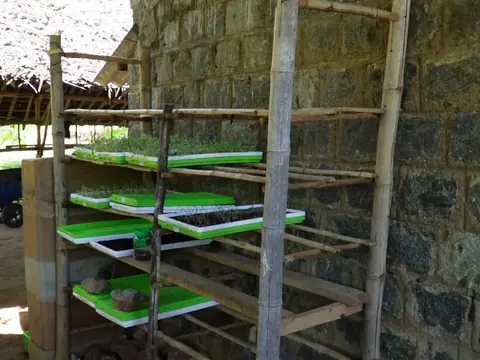
Seventeen kinds of microgreens
Trays on bamboo racks, in the shade of a stone wall: a fast crop that visitors sow, harvest and cook with inside a single stay.
On Instagramநிலம் · வளம் · நலம்
நிலம் · வளம் · நலம்
An eco-village on a hill in Salem district, learning in public how a piece of land can hold food, shelter, work and a whole way of living — and then handing the method away.
Most land projects sell a plot and a promise. Nannilam is built the other way round: the land is the curriculum, the community is the faculty, and everything that works here is meant to be copied elsewhere.
We are establishing an eco-village model that doubles as an educational seed bank — for knowledge as much as for grain. Research plots, natural-build workshops, dairy, forest gardens and small green enterprises sit beside each other so that a single hillside can demonstrate food, water, shelter, energy and livelihood at once.
The intention is not self-sufficiency for a lucky few. It is a replicable, open platform where indigenous practice gains global exposure and global research becomes locally useful — so that regionally appropriate cultures can be grown, not imported.
Read the full storyTake any one away and the others sag. We design, measure and teach all four together.
Rainwater harvesting, composting, native habitat and natural farming. Buildings made from what the hill already has — earth, stone, bamboo, salvage.
Growing zone
Farmversity, artist residencies, craft and story. Elders teaching technique to visitors; researchers publishing what the elders already knew.
Learning zone
Village stays, volunteer seasons, wellness and shared kitchens. Neighbours from Therkunadu are members of the project, not its backdrop.
Experience zone
Value addition on the hill instead of raw produce leaving it. Small green enterprises, a dairy, and co-working for people who bring their work with them.
Value zone
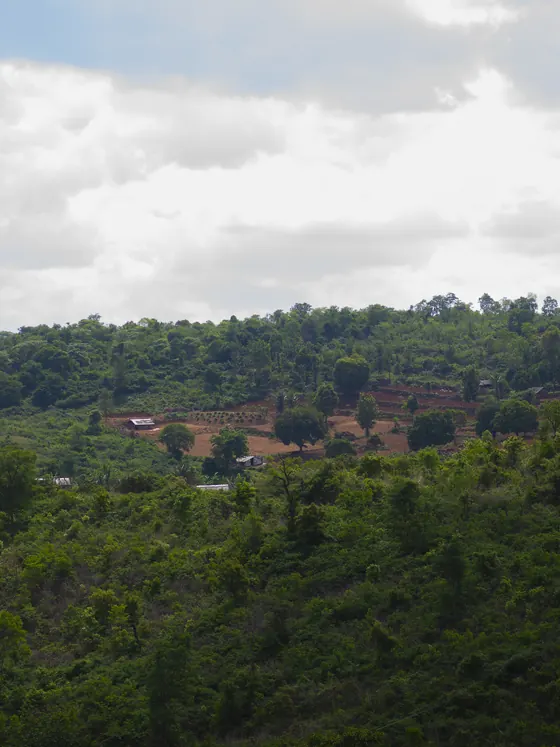
A breathing natural wonder in the Eastern Ghats — cool, wooded, threaded with streams, and home to communities who have farmed these slopes for generations.
Nannilam sits on the Chinna Kalrayan range above Karumandurai, in Salem district. The hill gives us a distinct season, a distinct soil and a distinct set of neighbours — all three shape what gets built here.
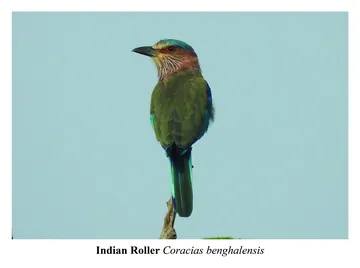
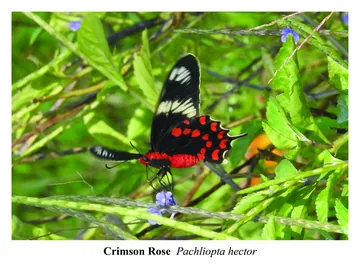
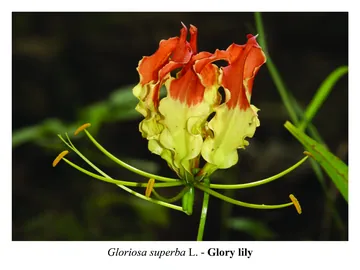
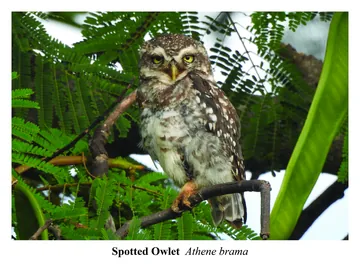
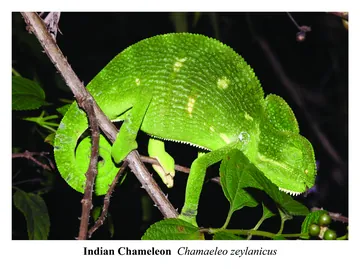
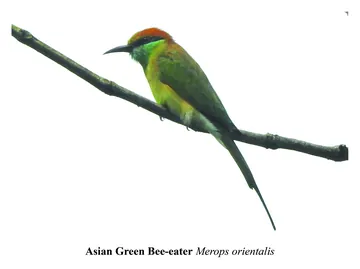
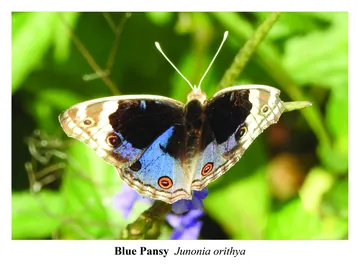
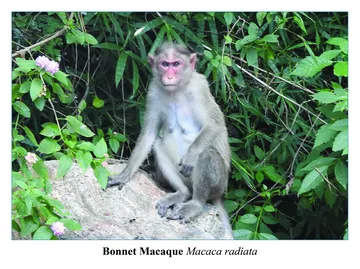
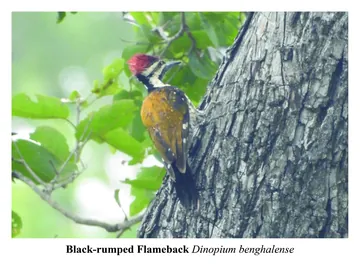
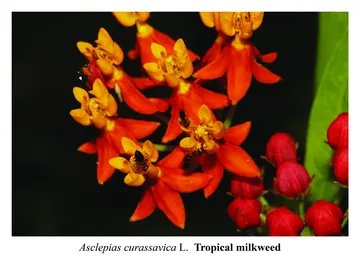
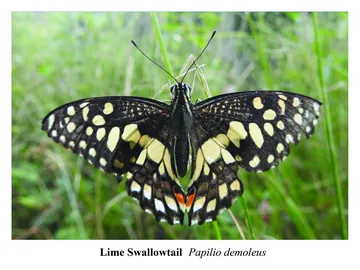
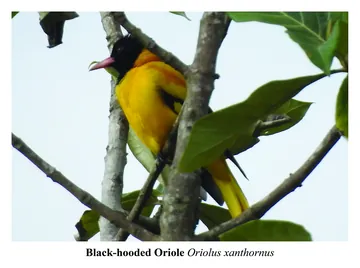
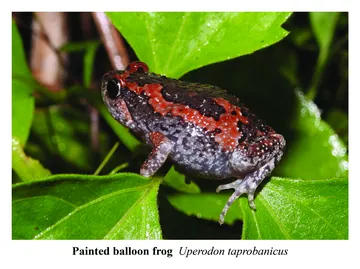
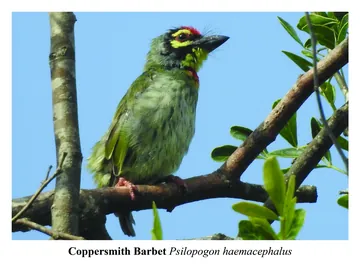
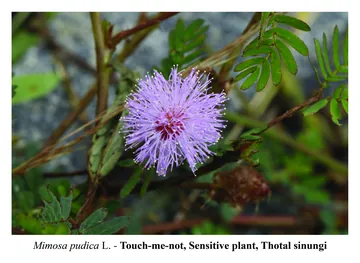
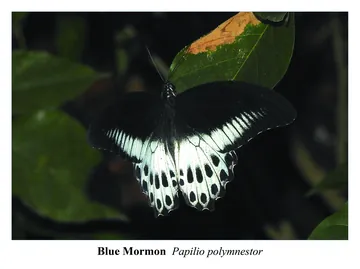
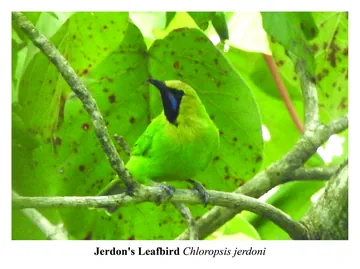
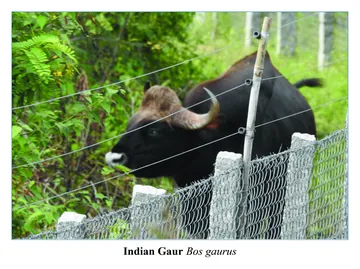
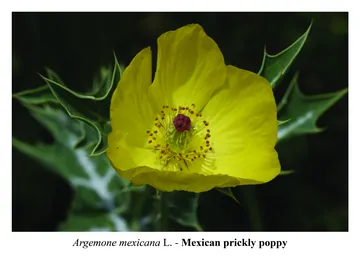
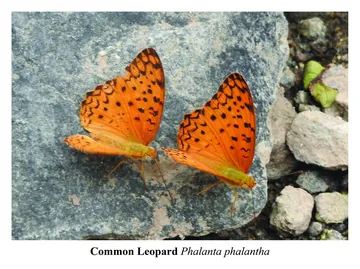
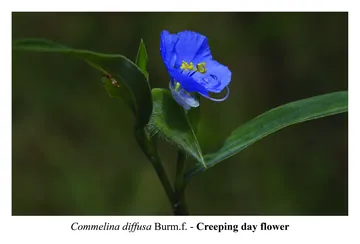
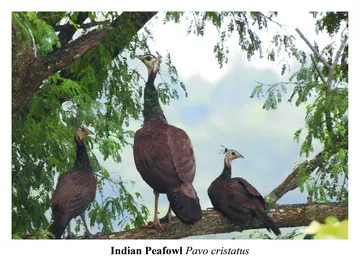
Each one is open to visitors, students and members — not a department, a doorway.
What has actually been happening here, in the order it happened. The rest goes up on Instagram first.
Trays on bamboo racks, in the shade of a stone wall: a fast crop that visitors sow, harvest and cook with inside a single stay.
On Instagram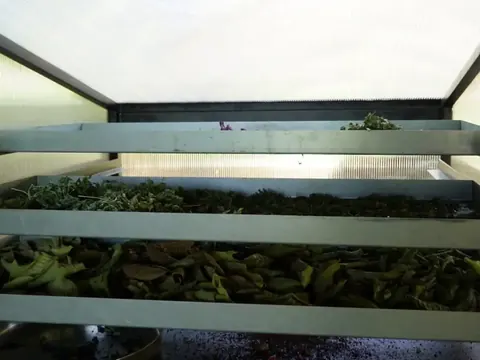
A solar dryer now turns hibiscus, curry leaves, kadukkai and guava leaf into stock for our herbal value-addition work. Less is wasted after harvest, and more of the value stays on the hill.
On Instagram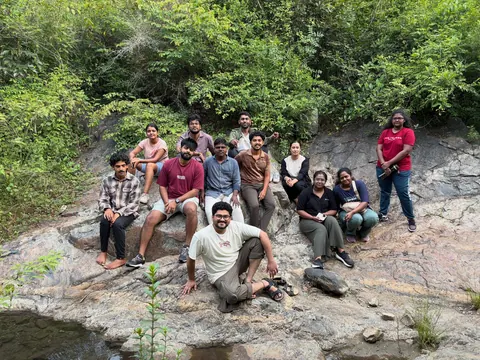
Run with Para Learning. Strangers trekked barefoot up our streams, turned freshly cut microgreens into chutney, stayed up by the fire, and slept under bamboo roofs and in tents, waking to peacock calls.
On Instagram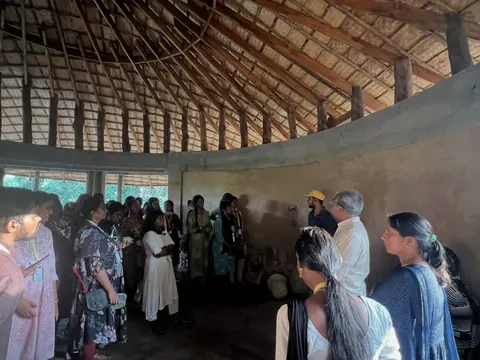
First-year MSW students from the Madras School of Social Work, on a tribal camp in the hills, walked the gabion walls and earth buildings with Poobathi, our project coordinator: lantana furniture, lean farming, lemongrass tea, and a long talk about livelihoods.
On InstagramThere was so much movement: physical, emotional, mental and spiritual. It was a very fun space to be in. Never a dull moment.
I have been to various workshops, but this one stayed in my heart.
Come back to such a place, where it’s completely open. You have all the time to speak to yourself; it’s the nature and everyone.
Filmed on phones by the people who live and work here. Tap one to play it here.
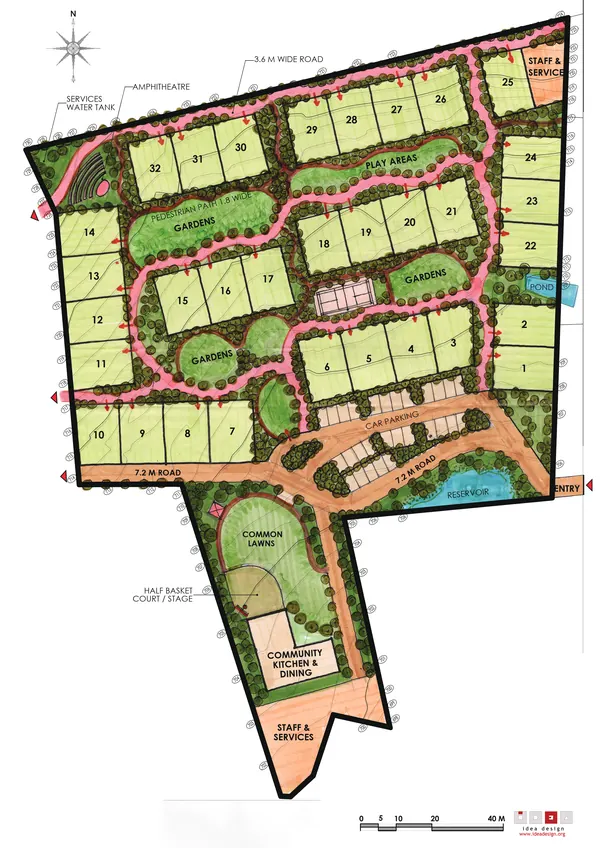
Members hold their own acre and share the whole expanse — the water, the forest, the workshops and the decisions. What you are buying is a seat in the design of the hill, and the years of work that follow.
Two days on the hill before anything is signed.
The first members who set the culture of a parcel.
Titles, surveys and paperwork done in the open.
Contours, swales and storage mapped before planting.
The slow years. Soil first, canopy second.
Natural materials, local hands, your own design.
Partnerships built on trust, transparency and a shared idea of better living.
Back regenerative agriculture on the hill and help convert conventional farmland to permaculture.
Explore VolunteerGive a season to the land and take back a skill. Building, planting, cooking, teaching.
Explore InternA mentored stretch in ecology, natural building, dairy or rural enterprise, with real responsibility.
Explore Co-creatorBring an expertise — hydrology, seed, food, design — and shape a piece of the model itself.
Explore Join the teamLive here and run it. Roles open across farm, kitchen, build, hospitality and research.
See openingsFarmversity is the hill's field school: short, hands-on courses taught on the land by the people who work it. Pick a track, or bring a group and we will shape a programme around you.
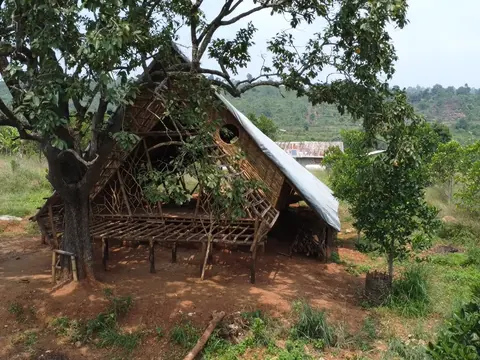
From joint to platform: how to read a tree, load it honestly, and leave it healthier than you found it.
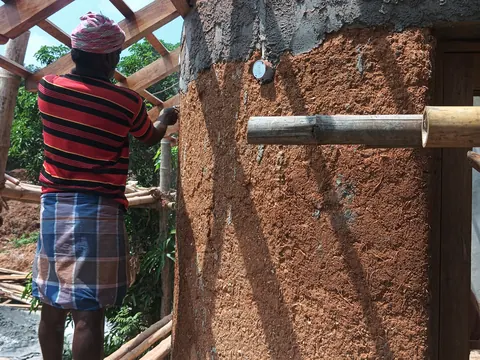
Mix, weave and render a real wall that stays standing, taught by people who build this way every season.
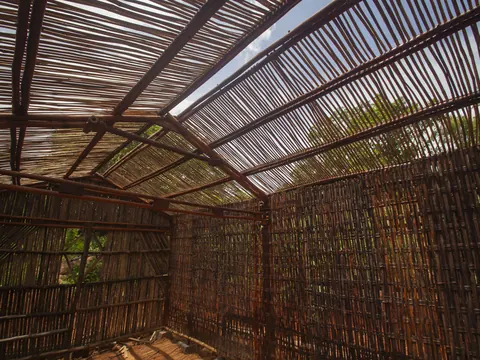
Cutting, treating and joining bamboo, from small furniture to the roof frames going up around the hill.
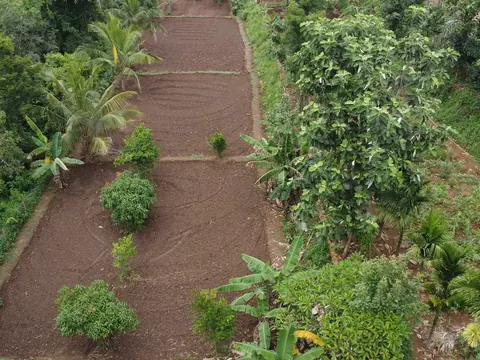
Reading slope, water and sun, then laying out beds, swales and a food forest that learns to look after itself.
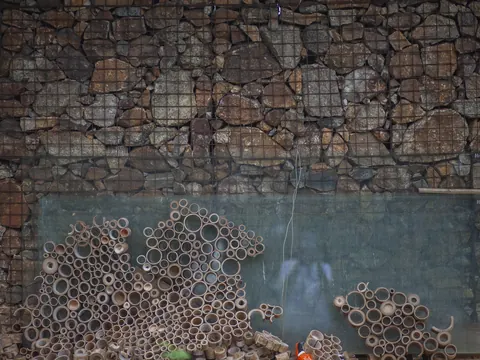
Hive care and honey, alongside the pollinator habitat that keeps the orchards and beds fruiting.
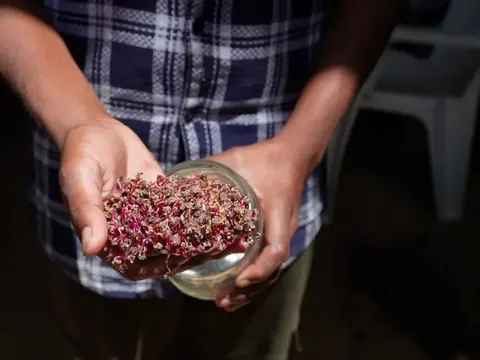
Seed, tray, water and shade: the seventeen varieties grown on the hill, and what to cook with them a week later.
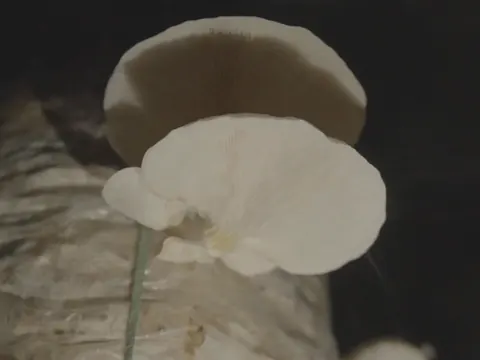
A shaded shed, a good substrate and patience: a small crop that turns the farm's leftovers into food.
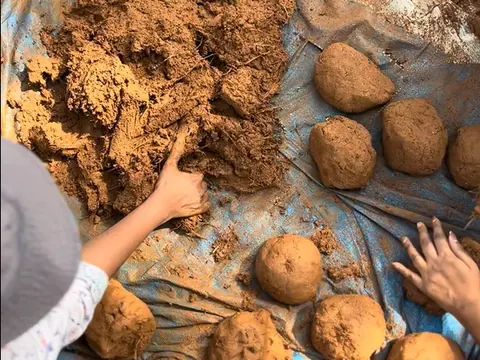
Hand-building with the hill's own clay, for children and adults working side by side.
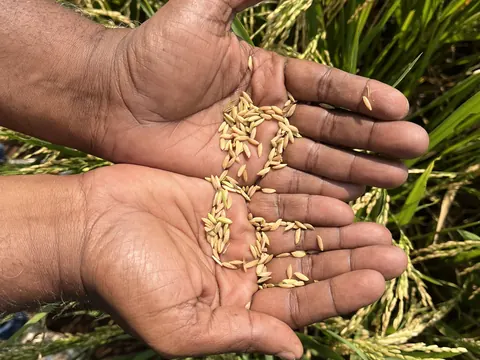
With Iyalvaagai: traditional rice varieties and millets, cooked the old way and brought back into an everyday kitchen. Last held 26–27 September 2026.
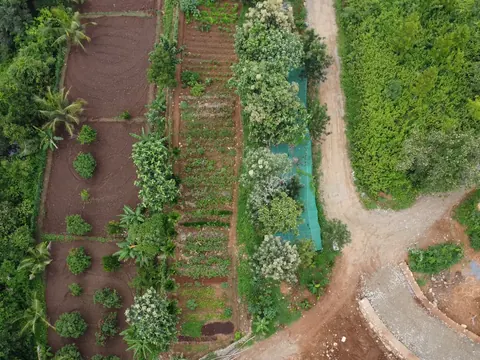
Join the farm when it is busiest: picking, sorting and turning produce into what leaves the hill.
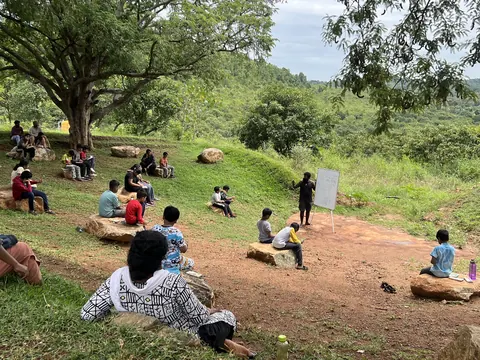
With Wild Ethnos: children slow down, look closer and meet the forest beyond what first meets the eye. Schools such as Chisel Montessori have already come up the hill.
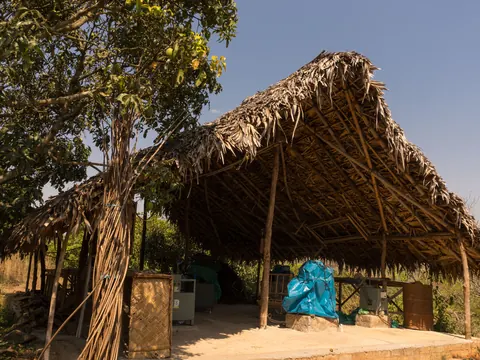
A few days of building, cooking and walking the land together, with the programme shaped around your team.
Any workshop can run as a private programme for a school, college, community or company, on dates that suit you. Running a workshop of your own? We don’t charge for the space: you bring the people and the knowledge, we look after the stay, the food and the land.


